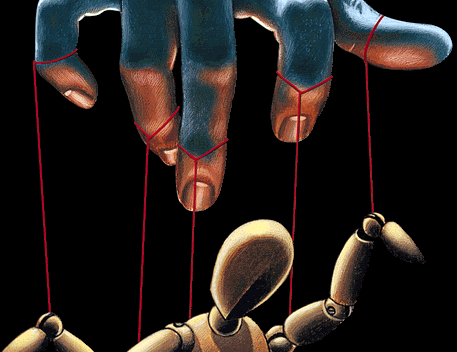
Many writers believe they have an idea problem when they really have a micromanagement problem.
When writers sit down to brainstorm, their minds should be generating possibilities. Strange observations. Half-formed thoughts. Ridiculous connections.
Instead, another part of the mind immediately steps in and starts managing the process.
The internal voice doesn’t usually scream, “That’s stupid.” The criticism is much more detailed.
It sounds more like this:
“That wording isn’t quite right.”
“That idea needs further development.”
“That setup is weak.”
None of those thoughts are particularly negative. In fact, they almost feel helpful.
It’s understandable because so much of writing demands editing. And when the mind senses writing, the instinct is to start editing.
But during brainstorming, the editing thoughts are poison.
Those tiny interruptions shift the brain away from idea generation and toward editing. The mind stops exploring and starts fixing.
The moment that switch happens, creativity slows to a crawl.
Creative thinking and editing use different mental processes. One part of the mind generates possibilities; another evaluates them.
Both processes are necessary.
They just can’t happen at the same time.
When the editing brain starts micromanaging too early, it interrupts the creative process. Instead of producing ideas freely, the writer becomes trapped in a loop of small adjustments and second-guessing.
The result is predictable.
The writer feels stuck.
The irony is that nothing is actually wrong with the writer’s imagination. The ideas are trying to show up. The brain just keeps interrupting them.
It’s like trying to brainstorm while a manager stands behind your desk offering constant suggestions.
“Maybe phrase it differently.”
“That needs more structure.”
“Do you think that outfit really works?”
Eventually, you stop talking.
The same thing happens in the writer’s mind.
That’s why brainstorming works best when the internal manager is temporarily removed from the room. Let the ideas appear in whatever form they arrive—awkward, incomplete, or slightly ridiculous.
There will be plenty of time later to organize, refine, and fix them.
Editing is important.
Micromanaging creativity is not.